We often think of ghosting as someone vanishing—texts unanswered, calls ignored, silence where there used to be connection. But there's another kind of ghosting that doesn't involve someone leaving the room. It's quieter, subtler, and in many ways, more confusing. It's when someone is still there, physically beside you, but emotionally… gone. You’re having dinner together, but it feels like you’re talking to a wall. They nod, smile, maybe even respond—but their energy, warmth, and emotional presence feel switched off. Welcome to the world of emotional ghosting.
The Confusing Loneliness of “Being With” Someone
Being in the same space as someone doesn’t guarantee connection. Emotional ghosting is like sitting next to someone who used to see you, really see you, and now their gaze passes through you. They might still ask about your day, but it feels mechanical. There’s a lack of depth, a missing piece. This creates an odd kind of loneliness—the kind where you question your own worth, your place in the relationship, and what changed.

Why Does It Hurt So Much?
Our brains are wired for connection. Emotional attunement—those moments when someone responds to our feelings with genuine interest—helps us feel safe and valued. When that disappears without explanation, the body goes into alert mode. You might start overthinking: Did I do something wrong? Are they angry? Have they fallen out of love? Without closure or clarity, emotional ghosting can trigger anxiety, insecurity, and even shame.
In psychological terms, it can feel like ambiguous loss—a type of grief where the person is “here, but not here.” There's no clear ending, just the nagging feeling that something important has gone missing.
Signs You're Experiencing Emotional Ghosting
Emotional ghosting isn’t always obvious right away. It’s more of a slow fade than a hard stop. Here are some common signs and symptoms people often feel when they're going through it:
-
You feel emotionally alone even when you're together – Conversations feel flat, and even when you share something meaningful, it doesn't seem to land with them.
-
They seem distracted or “checked out” – They’re physically present but often on their phone, zoned out, or lost in thought.
-
Lack of emotional support – When you’re upset or need comfort, they seem disinterested or avoidant. It’s like talking to a wall.
-
You begin to overthink everything – You replay interactions, second-guess your tone, and try to decode their behavior for signs of what’s wrong.
-
You feel anxious and unsure about where you stand – There’s a subtle but constant fear that the relationship is slipping away.
-
Affection and warmth feel forced or missing – There’s a noticeable shift in how much they touch, laugh, or engage with you.
-
They stop sharing – You used to talk about dreams, feelings, or even mundane things. Now, they give short responses or avoid deeper topics.
-
You begin to feel invisible – Even your presence feels like background noise to them.
These symptoms can slowly chip away at self-esteem and emotional security, especially if they continue without acknowledgement or resolution.

Why Do People Emotionally Ghost?
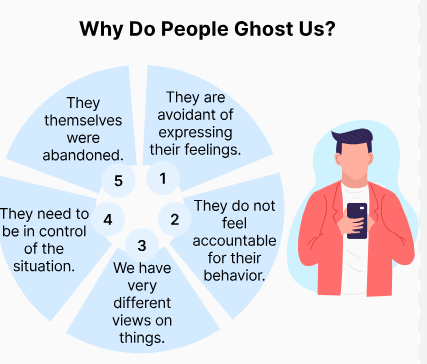
It’s easy to assume malice, but emotional ghosting often comes from internal emotional avoidance. Some people shut down when they’re stressed, overwhelmed, or emotionally distant from themselves. Others might not know how to express what they’re feeling, especially if they were never taught that emotional vulnerability is okay. It could be fear of confrontation, unresolved resentment, or even a silent cry for space. The unfortunate part is, without communication, the other person is left drowning in the silence.
So, What Can You Do?
The first step is to name what you're feeling. If you're experiencing emotional ghosting, it's valid to feel hurt, confused, and disconnected. Expressing your experience gently—"I feel like we're physically here but emotionally distant"—can open space for dialogue. Sometimes the person doesn’t realize they’ve pulled away until someone holds up that mirror. And if they continue to stay absent despite knowing how it’s affecting you? That says something, too.
Emotional ghosting doesn’t mean you're unworthy of connection. It simply means something in the dynamic needs to be seen, understood, and maybe even healed. Because everyone deserves to feel fully met—not just by presence, but by presence with intention.
Comments