
What Is the Placebo Effect, and How Does It Work?

 Hey everyone! 👋

Welcome to our blog post! Today, we’re diving into a fascinating topic: The Placebo Effect. Ever heard of a “magic” pill or treatment making someone feel better, even when it’s not really doing anything? That’s the placebo effect in action! Stick around to learn how this quirky phenomenon works and how you might use it to your advantage. Ready to discover the power of belief? Let’s get started! 🚀

How Does the Placebo Effect Work?

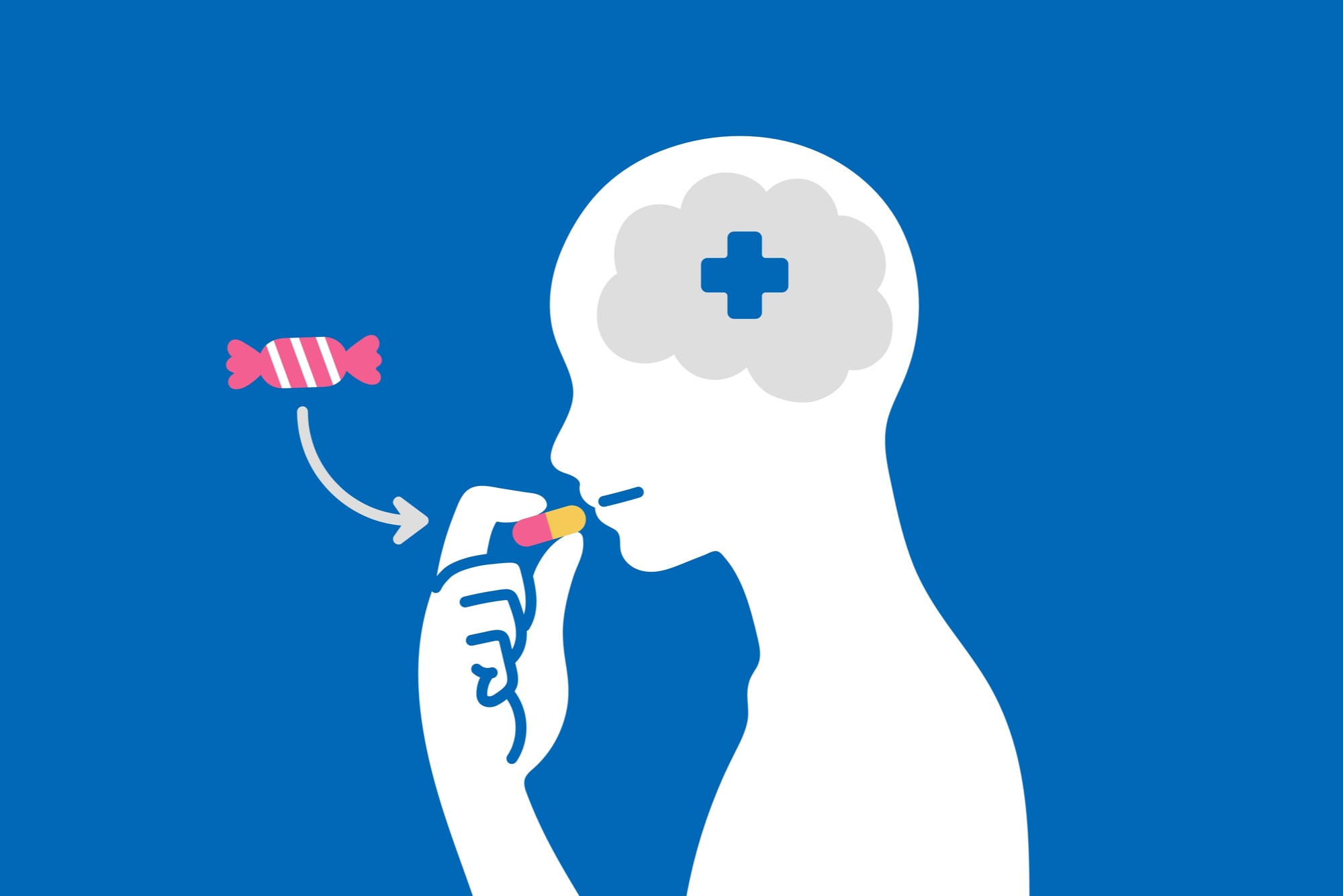
The placebo effect is similar to a psychological trick that improves mood. You might feel better, for instance, if you take a "magic" pill—which is actually just a harmless sugar tablet—and mistakenly think it's medicine. It appears that your brain helps with your healing simply because you expect improvement. Researchers employ this effect in medicine to test whether a new therapy is more effective than belief alone.


How Does It Function?

 Your brain and body are super connected. So now, when you think you’re getting a real treatment, your brain can start working as if you’re actually being treated. It might release chemicals like endorphins (which make you feel good) or reduce your pain. Imagine you’re told a special tea can make you feel more relaxed. Just believing in its power might help you actually feel calmer, even if it’s just regular tea.

Say, for example, that you decide to try a unique herbal tea as a "magic" solution for your headache. Your belief that the tea will assist is so strong that you don't even realize it's only water and a little lemon. It makes you feel better as you drink it. That's the placebo effect in action—you're feeling less discomfort and more relaxed because you believe the tea has healing properties.


Try this with yourself:

Select a Positive Objective: Consider an area you would like to see improvement in, such as your level of energy or stress level.

Establish a "Placebo" Schedule: Select a basic task that represents your objective. A soothing bath, a certain kind of tea, or a few minutes of deep breathing might be enough.

Have faith in your routine: Consider how this exercise is assisting you in reaching your objective as you complete it. Accept the idea that it is having an impact.


In Conclusion:

The placebo effect demonstrates the potency of the mind in promoting well-being. Through comprehending and utilizing this impact, you can access your personal healing potential. Sometimes, all it takes to change how you feel is to believe in something!

Tell me About Your Experience!

Check it out and let me know how it goes. Did you feel better or more at ease when you believed in your routine? Please share your experience in the comments below!
Comments

Popular posts from this blog

The Fear of ‘Settling’: How Perfectionism is Ruining Gen Z’s Love Lives

       Imagine standing in front of an all-you-can-eat buffet with hundreds of delicious options. Instead of picking a plate and enjoying your meal, you freeze, overwhelmed by the fear of choosing the ‘wrong’ dish. What if something better is just around the corner? Now, replace food with dating, and you have the reality of Gen Z’s love lives. We live in an era where swiping left or right determines our potential future. With an endless scroll of faces, social media bombarding us with picture-perfect relationships, and a culture that romanticizes ‘the one,’ it’s no surprise that commitment feels terrifying. What if you choose someone and then meet someone better? What if you settle and realize too late that you could have had more? The fear of ‘settling’ isn’t just about wanting the best—it’s about the anxiety that committing to one person means shutting the door on better possibilities. But what if this mindset is doing more harm than good? Perfectionism and Unreali...

“Why We Push Away the Ones Who Get Too Close” – fear of intimacy explained.

 We all say we want love. We want someone who “gets us,” who feels like home. Yet, when someone finally shows up, giving us care and consistency, many of us find ourselves pulling away. We stop replying to texts as quickly, we make excuses, or we feel irritated by their presence,  even when they haven’t done anything wrong. Sound familiar? That uncomfortable push-pull dance is often rooted in something called fear of intimacy . What Is Fear of Intimacy, Really? Fear of intimacy doesn’t mean you don’t want love or that you’re “cold.” It’s quite the opposite,  most people who fear intimacy deeply crave connection . But for them, closeness triggers vulnerability. And vulnerability can feel dangerous. Intimacy means: Letting someone see the unpolished sides of you. Trusting that they won’t leave if you show your flaws. Allowing yourself to rely on someone else, even just a little. For someone carrying emotional scars, this feels like standing without armor. An...

The Pressure to Have Life Figured Out in Your 20s

 Your 20s are often described as the most exciting decade of life. The time to chase dreams, build careers, travel, fall in love, and become the person you're meant to be. But for many people, the reality feels very different. Instead of excitement, there is often a quiet, persistent pressure, the feeling that you should already know what you're doing with your life . By the time you're in your mid or late 20s, people expect you to have answers to questions like: What career are you building? Where do you see yourself in five years? Are you financially stable yet? Are you settling down? Do you know what your purpose is? And when you don’t have clear answers, it can feel like you’re somehow behind in life . Psychologically, this pressure is more common than we realise, and it stems from several social and developmental factors that shape the way we experience our 20s. The Myth of the “Perfect Timeline” One of the biggest sources of pressure is the beli...