
How Do We Form FIRST IMPRESSIONS, and How Accurate Are They?

    Hello people! Today let's explore first impressions with you! Have you ever met someone and assumed you knew everything about them right away? You're not by yourself. Although our minds are very fast at making rapid decisions, how reliable are these initial assessments? Let's explore the psychology of first impressions and how they influence our relationships.


First Impressions: What Are They?

    Our brain makes snap decisions about new people we encounter, which are known as first impressions. We judge someone in a matter of seconds based on their look, first behavior, and body language. For instance, if someone smiles warmly and adopts an open stance when they meet you, you might assume they are nice. This brief evaluation guides our responses to others and aids in navigating social situations.

Now, Recall your most recent encounter with a new person. What did you think of them right away? Did they avoid making eye contact or smile? Jot down a few salient insights you had and the ways in which they influenced the way you thought.


Are Initial Thoughts Always Correct?

    Although initial impressions are not always right, they can be surprisingly accurate. On the basis of incomplete knowledge, we occasionally misread people. For example, someone who seems unfriendly or distant may simply be feeling shy or having a terrible day, not necessarily unfriendly or uninterested.

Consider a moment when, after getting to know someone more, your first view of them altered. What was your first assessment, and how did it change as time went on?


What Effects Do Outside Circumstances Have on Our Perceptions?
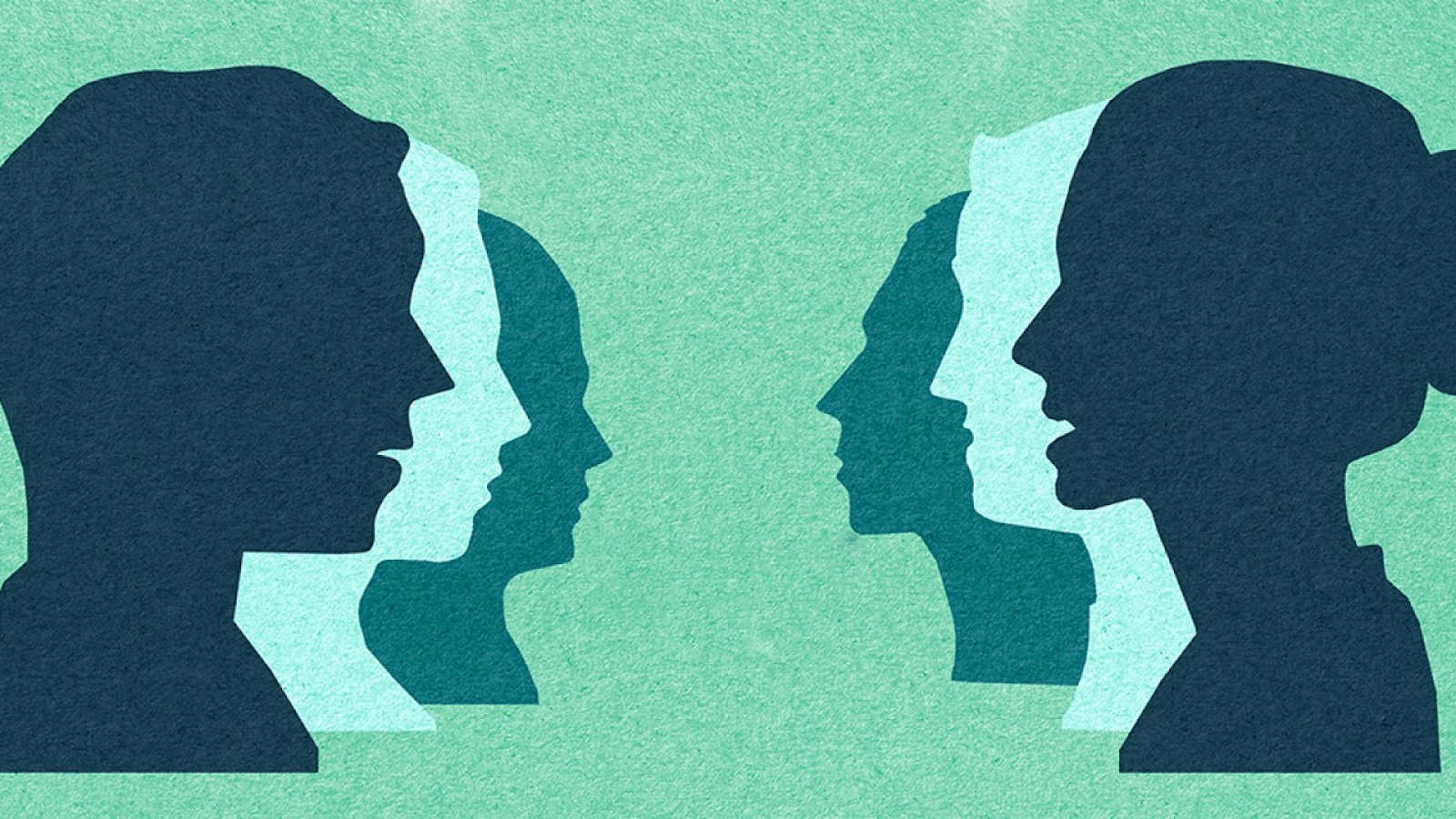
    First impressions are also influenced by our surroundings and state of mind. You may view someone less favorably than you would if you were in a happy mood or if the weather is dull. These outside influences have the power to distort our perceptions and cloud our judgment.

Reflect on how your environment or state of mind may have affected how you initially perceived someone. If you had been somewhere else or experiencing something different, how might your perception have been different?


Ways to Create Stronger First Impressions

Make an effort to smile at everyone you encounter throughout the day, be it a clerk, a coworker, or a stranger. Observe their reaction

Throughout the day, pay attention to your posture. Keep your shoulders back, arms relaxed by your sides, and stand straight when you greet someone for the first time.

Try to make eye contact with the other person 60–70% of the time when having a discussion. Refrain from staring as it may irritate other people.

Stay focused on the other person's words and refrain from interjecting. You can demonstrate that you're interested in what they have to say by nodding and answering correctly.

Pay more attention to listening than speaking during interactions. Nod and express interest in what you're hearing by saying things like "I see" or "That's interesting."

 Pay attention to your body language throughout the day and change as necessary to maintain an approachable and open demeanor. To demonstrate curiosity while seated, keep your arms open and slant slightly forward.


How to Make a More Accurate First Impression Evaluation

Breathe deeply and slowly whenever you meet someone new, and remember yourself to have an open mind before passing judgment.

Consider whether the person's behavior may be influenced by outside variables (such as a stressful setting) if you observe a bad initial impression.

When you meet new individuals, make it a point to always ask open-ended inquiries. Inquiries like "What do you like to do when you have free time?" can provide additional insight into their character.

Consider the people you encountered and how your perceptions of them changed at the end of the day. You can improve your judgment in the future by reflecting on this.

When engaging with people, make an effort to understand their possible emotions or experiences. This can assist you in giving more accurate and sympathetic responses.


The End result

    Although initial impressions can be a helpful social tool, keep in mind that they are only the start of a deeper knowledge. They offer us a brief overview, but occasionally they can be deceptive. We can create deeper bonds by remaining open-minded and getting to know people beyond those snap judgments.

Remember now that the next time you meet someone new, try to be conscious of your initial impression, but also try to find out more about them first. Observe how your view changes as you engage with additional people

Comments

Popular posts from this blog

The Fear of ‘Settling’: How Perfectionism is Ruining Gen Z’s Love Lives

       Imagine standing in front of an all-you-can-eat buffet with hundreds of delicious options. Instead of picking a plate and enjoying your meal, you freeze, overwhelmed by the fear of choosing the ‘wrong’ dish. What if something better is just around the corner? Now, replace food with dating, and you have the reality of Gen Z’s love lives. We live in an era where swiping left or right determines our potential future. With an endless scroll of faces, social media bombarding us with picture-perfect relationships, and a culture that romanticizes ‘the one,’ it’s no surprise that commitment feels terrifying. What if you choose someone and then meet someone better? What if you settle and realize too late that you could have had more? The fear of ‘settling’ isn’t just about wanting the best—it’s about the anxiety that committing to one person means shutting the door on better possibilities. But what if this mindset is doing more harm than good? Perfectionism and Unreali...

“Why We Push Away the Ones Who Get Too Close” – fear of intimacy explained.

 We all say we want love. We want someone who “gets us,” who feels like home. Yet, when someone finally shows up, giving us care and consistency, many of us find ourselves pulling away. We stop replying to texts as quickly, we make excuses, or we feel irritated by their presence,  even when they haven’t done anything wrong. Sound familiar? That uncomfortable push-pull dance is often rooted in something called fear of intimacy . What Is Fear of Intimacy, Really? Fear of intimacy doesn’t mean you don’t want love or that you’re “cold.” It’s quite the opposite,  most people who fear intimacy deeply crave connection . But for them, closeness triggers vulnerability. And vulnerability can feel dangerous. Intimacy means: Letting someone see the unpolished sides of you. Trusting that they won’t leave if you show your flaws. Allowing yourself to rely on someone else, even just a little. For someone carrying emotional scars, this feels like standing without armor. An...

The Pressure to Have Life Figured Out in Your 20s

 Your 20s are often described as the most exciting decade of life. The time to chase dreams, build careers, travel, fall in love, and become the person you're meant to be. But for many people, the reality feels very different. Instead of excitement, there is often a quiet, persistent pressure, the feeling that you should already know what you're doing with your life . By the time you're in your mid or late 20s, people expect you to have answers to questions like: What career are you building? Where do you see yourself in five years? Are you financially stable yet? Are you settling down? Do you know what your purpose is? And when you don’t have clear answers, it can feel like you’re somehow behind in life . Psychologically, this pressure is more common than we realise, and it stems from several social and developmental factors that shape the way we experience our 20s. The Myth of the “Perfect Timeline” One of the biggest sources of pressure is the beli...