
Can our Childhood Attachment Style Affect Our Adult Relationships?

Have you ever wondered why the interactions in your relationships are the way they are? Your interpersonal patterns may have their origins in the early years of your life. According to attachment theory, the connections we have with our parents as kids can have a big impact on the relationships we have as adults. Let's investigate this fascinating subject and see how the past influences the present.
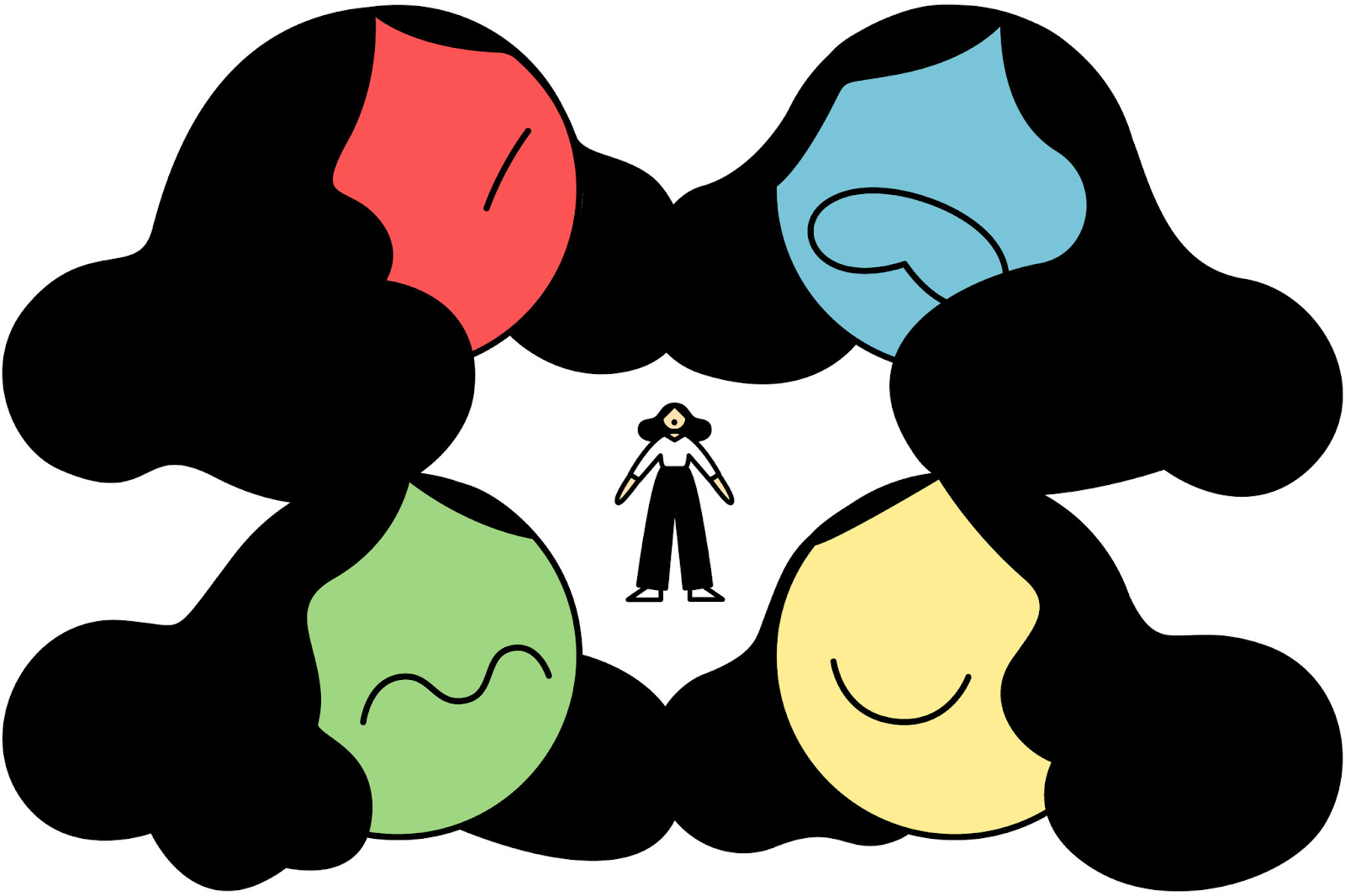


Attachment Styles: What Are They?
Our attachment types are a result of the bonds we formed as children with our parents. Mary Ainsworth and John Bowlby, psychologists, distinguished four primary types:

Secure Attachment: A sense of security and stability.
Anxious Attachment: Fear of being left behind.
Avoiding intimacy and proximity is known as avoidant attachment.
Anxious and avoidant behaviors combined to form a disorganized attachment

How people react with these attachment styles?

People who have a stable or secure attachment style, for example, and who receive constant support from their guardians, are more likely to have relationships that are open, trustworthy, and healthy. Conversely, people with an anxious attachment style—which can be brought on by unequal caregiving—may suffer with feelings of abandonment and continually turn to their lovers for comfort. In a comparable manner, individuals with an avoidant attachment style—which they formed as a result of emotionally detached caregiving—may struggle to establish meaningful relationships and avoid closeness. Last but not least, people with an unorganized attachment style—which is frequently the result of traumatic childhood events—may display a combination of avoidant and anxious tendencies, which can create tumultuous and unstable relationships. Through comprehending these patterns, we can get a deeper awareness of our interpersonal dynamics and strive towards more satisfying and healthy relationships. 


How to work upon it ?

To work towards healthier relationships, start by reflecting on your childhood experiences to identify your attachment style. Open communication with your partner about your attachment tendencies can foster mutual understanding and support. If you find certain patterns challenging to overcome, consider seeking professional help, such as therapy, to address past traumas and develop healthier ways of relating. Building self-awareness and practicing showing vulnerability to your partners can also help you create stronger, more secure bonds with those you love. By taking these practical steps, we can all work towards creating healthier and more fulfilling relationships.


Now Reflect how has your attachment style influenced your relationships? What steps can you take to improve your relational dynamics? Are there specific patterns you've noticed in your relationships that you think may be related to your attachment style? How can understanding these patterns help you build stronger connections?

Comments

Popular posts from this blog

The Fear of ‘Settling’: How Perfectionism is Ruining Gen Z’s Love Lives

       Imagine standing in front of an all-you-can-eat buffet with hundreds of delicious options. Instead of picking a plate and enjoying your meal, you freeze, overwhelmed by the fear of choosing the ‘wrong’ dish. What if something better is just around the corner? Now, replace food with dating, and you have the reality of Gen Z’s love lives. We live in an era where swiping left or right determines our potential future. With an endless scroll of faces, social media bombarding us with picture-perfect relationships, and a culture that romanticizes ‘the one,’ it’s no surprise that commitment feels terrifying. What if you choose someone and then meet someone better? What if you settle and realize too late that you could have had more? The fear of ‘settling’ isn’t just about wanting the best—it’s about the anxiety that committing to one person means shutting the door on better possibilities. But what if this mindset is doing more harm than good? Perfectionism and Unreali...

“Why We Push Away the Ones Who Get Too Close” – fear of intimacy explained.

 We all say we want love. We want someone who “gets us,” who feels like home. Yet, when someone finally shows up, giving us care and consistency, many of us find ourselves pulling away. We stop replying to texts as quickly, we make excuses, or we feel irritated by their presence,  even when they haven’t done anything wrong. Sound familiar? That uncomfortable push-pull dance is often rooted in something called fear of intimacy . What Is Fear of Intimacy, Really? Fear of intimacy doesn’t mean you don’t want love or that you’re “cold.” It’s quite the opposite,  most people who fear intimacy deeply crave connection . But for them, closeness triggers vulnerability. And vulnerability can feel dangerous. Intimacy means: Letting someone see the unpolished sides of you. Trusting that they won’t leave if you show your flaws. Allowing yourself to rely on someone else, even just a little. For someone carrying emotional scars, this feels like standing without armor. An...

The Pressure to Have Life Figured Out in Your 20s

 Your 20s are often described as the most exciting decade of life. The time to chase dreams, build careers, travel, fall in love, and become the person you're meant to be. But for many people, the reality feels very different. Instead of excitement, there is often a quiet, persistent pressure, the feeling that you should already know what you're doing with your life . By the time you're in your mid or late 20s, people expect you to have answers to questions like: What career are you building? Where do you see yourself in five years? Are you financially stable yet? Are you settling down? Do you know what your purpose is? And when you don’t have clear answers, it can feel like you’re somehow behind in life . Psychologically, this pressure is more common than we realise, and it stems from several social and developmental factors that shape the way we experience our 20s. The Myth of the “Perfect Timeline” One of the biggest sources of pressure is the beli...